Immune System During
Cough and Cold Season

Cough and cold season has a way of arriving at exactly the wrong time.
You’re busy. Work is busy. The kids are bringing home every bug going. Your training schedule is full, and suddenly everyone around you seems to be coughing or sneezing.
So what can you actually do to support your body?
There isn’t one magic food, supplement or workout that can make you immune to illness. Your immune system is a complex network, and looking after it comes down to the everyday habits you repeat consistently.
Good nutrition, enough sleep, sensible exercise, recovery and taking care of yourself when you’re run down all have a role to play.
Let’s look at some of the basics.
Your Immune System Needs Good Nutrition
Your immune system needs a wide range of nutrients to function normally.
That doesn’t mean you need to buy a cupboard full of supplements.
In fact, for most people, the best starting point is simply eating a varied, balanced diet that provides plenty of protein, fruit, vegetables, whole grains, healthy fats and a good range of vitamins and minerals. The body needs nutrients including vitamin C, vitamin D, zinc and magnesium for normal body functions, including immune function.
Food comes first.
Supplements can have a place when someone isn’t getting enough of a particular nutrient, has a diagnosed deficiency, or has specific nutritional needs. But taking more isn’t automatically better, and high doses of some vitamins and minerals can cause problems or interact with medications.
Vitamin D
Vitamin D is important for bone health, muscle function and normal immune function.
Your body can produce vitamin D when your skin is exposed to sunlight, and it can also be found in foods such as oily fish, egg yolks and some fortified foods.
Vitamin D has been studied extensively in relation to respiratory infections, but the evidence isn’t strong enough to say that taking a vitamin D supplement will prevent you from getting a cold. Some research suggests supplementation may offer a small benefit in certain people, particularly those with low vitamin D levels, while other research has found no significant effect.
The takeaway?
Make sure you’re getting enough, but don’t think of vitamin D as a magic shield against illness.
Vitamin C
Vitamin C is probably one of the first nutrients people think about when they feel a cold coming on.
It’s an essential nutrient and an antioxidant, and it plays an important role in normal immune function. Citrus fruits, berries, peppers, broccoli, tomatoes and other fruits and vegetables are all good sources.
Regular vitamin C intake may slightly reduce the duration of a common cold for some people, although taking vitamin C only after symptoms begin doesn’t consistently provide the same benefit.
So rather than waiting until you’re unwell and reaching for huge doses, make vitamin C-rich foods part of your normal diet.
Zinc
Zinc is another mineral that your immune system needs to function properly.
It’s found in foods including meat, seafood, dairy products, beans, nuts and whole grains.
Some studies suggest that zinc lozenges or syrup taken soon after cold symptoms begin may shorten the duration of a cold, although results aren’t completely consistent. High doses of zinc can also cause side effects and, when taken for too long, can interfere with copper levels and immune function.
More isn’t better.
If you’re considering zinc supplements, especially at higher doses, speak with a healthcare professional first.
Magnesium
Magnesium often gets talked about in relation to sleep, muscle function and recovery, but it’s also involved in many processes throughout the body.
It’s found naturally in foods such as nuts, seeds, whole grains, beans and leafy green vegetables.
Rather than looking for one supplement to “boost” your immunity, focus on getting enough magnesium and other nutrients through a varied diet.
Your body needs the basics working well before you start worrying about the extras.
Calcium Still Matters
Calcium might not be the first nutrient you associate with immunity, but it remains an important mineral for overall health.
It’s essential for maintaining strong bones and teeth, and it also plays a role in normal muscle and nerve function.
Good sources include dairy products, fortified alternatives, leafy green vegetables and some fish.
Supporting your overall health means looking at the whole picture, rather than focusing on one particular nutrient.
Don’t Forget About Sleep
If there’s one habit that deserves far more attention during cough and cold season, it’s sleep.
Sleep gives your body time to recover, and getting enough sleep supports normal immune function. The CDC recommends that most adults get at least seven hours of sleep each night.
When you’re constantly running on five or six hours, juggling work, family, training and everything else life throws at you, your body doesn’t get the recovery time it needs.
So if your sleep has slipped, don’t underestimate it.
Sometimes the best thing you can do for your health isn’t another workout.
It’s going to bed.
Training Is Good. Overtraining When You’re Unwell Isn’t.
Exercise is an important part of a healthy lifestyle and can support overall health and immune function.
But there’s a big difference between staying active and pushing through when your body is clearly telling you to stop.
If you’re feeling well, keep moving.
Go for your walk. Do your strength session. Get outside. Keep your normal routine where you can.
But if you’re genuinely unwell, particularly if you have a fever, significant fatigue or symptoms that are getting worse, recovery needs to take priority.
You don’t lose all your fitness because you take a few days off.
Trying to smash through an illness won’t earn you extra points.
Listen to your body.
The CDC recommends staying home and away from others when you have respiratory virus symptoms until your symptoms are improving overall and you’ve been fever-free for at least 24 hours without using fever-reducing medication.
Sometimes Less Is More
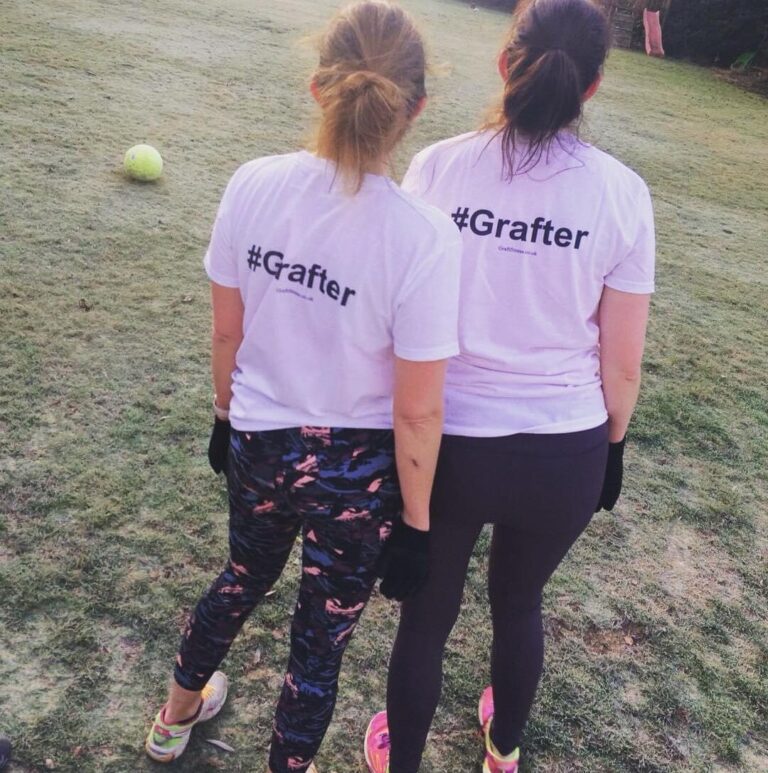
This is particularly important for Grafters.
We love training. We love pushing ourselves. We love seeing progress.
But fitness isn’t about proving how tough you are when you’re sick.
If your body is fighting an infection, give it the resources it needs to recover.
That might mean replacing a hard workout with a gentle walk.
It might mean taking a complete rest day.
It might mean sleeping instead of training.
And that’s okay.
Rest isn’t losing progress.
Rest is part of the process.
Look at the Whole Picture
Supporting your immune health isn’t about finding one “superfood” or taking a handful of supplements every morning.
It’s the boring stuff that works together.
Eat a varied diet.
Get enough protein.
Include plenty of fruit and vegetables.
Stay hydrated.
Get enough sleep.
Move your body regularly.
Manage your stress.
Wash your hands and practise good hygiene.
And when you’re genuinely unwell, give your body time to recover.
These habits support your overall health and help your immune system do its job, but they aren’t a guarantee that you’ll avoid every cough or cold.
Before You Start Taking Supplements
A quick reminder because this is important.
More vitamins and minerals aren’t necessarily better.
If you’re thinking about starting vitamin D, zinc, magnesium, calcium, vitamin C or another supplement, it’s worth checking with your GP, pharmacist or another qualified healthcare professional first.
This is particularly important if you’re pregnant, have an existing health condition, take medication, or are considering higher-dose supplements.
A healthcare professional can help determine whether you actually need supplementation and whether it is appropriate for you.
The Graft Takeaway
You don’t need to panic every time someone coughs near you.
You don’t need to take ten different supplements.
And you definitely don’t need to train harder because you’re worried about missing a session.
Look after the foundations.
Eat well. Sleep well. Move regularly. Recover properly. And listen to your body.
Your immune system is working for you every single day.
Give it the support it needs.
And remember, Grafters, sometimes the strongest thing you can do is slow down, recover and come back ready to go again.
Natalie Bhangal is a personal trainer who has a passion for health, fitness and strength training. She trains beginners, athletes, pregnant and postnatal women, those with injuries and injury prone clients. For more information email natalie@graftfitness.com

Home » Supporting Your Immune System During Cough and Cold Season
IT'S TIME TO GET YOUR #GRAFT ON!
Our exclusive range of Graft fitness clothing is designed to be functional and is manufactured using the latest technical fabrics. Once you get them on, you’ll instantly feel part of the #graft movement and be ready to tackle anything, including one of my fitness sessions!